Small Bathroom Ideas: Clever Design for Tiny Spaces
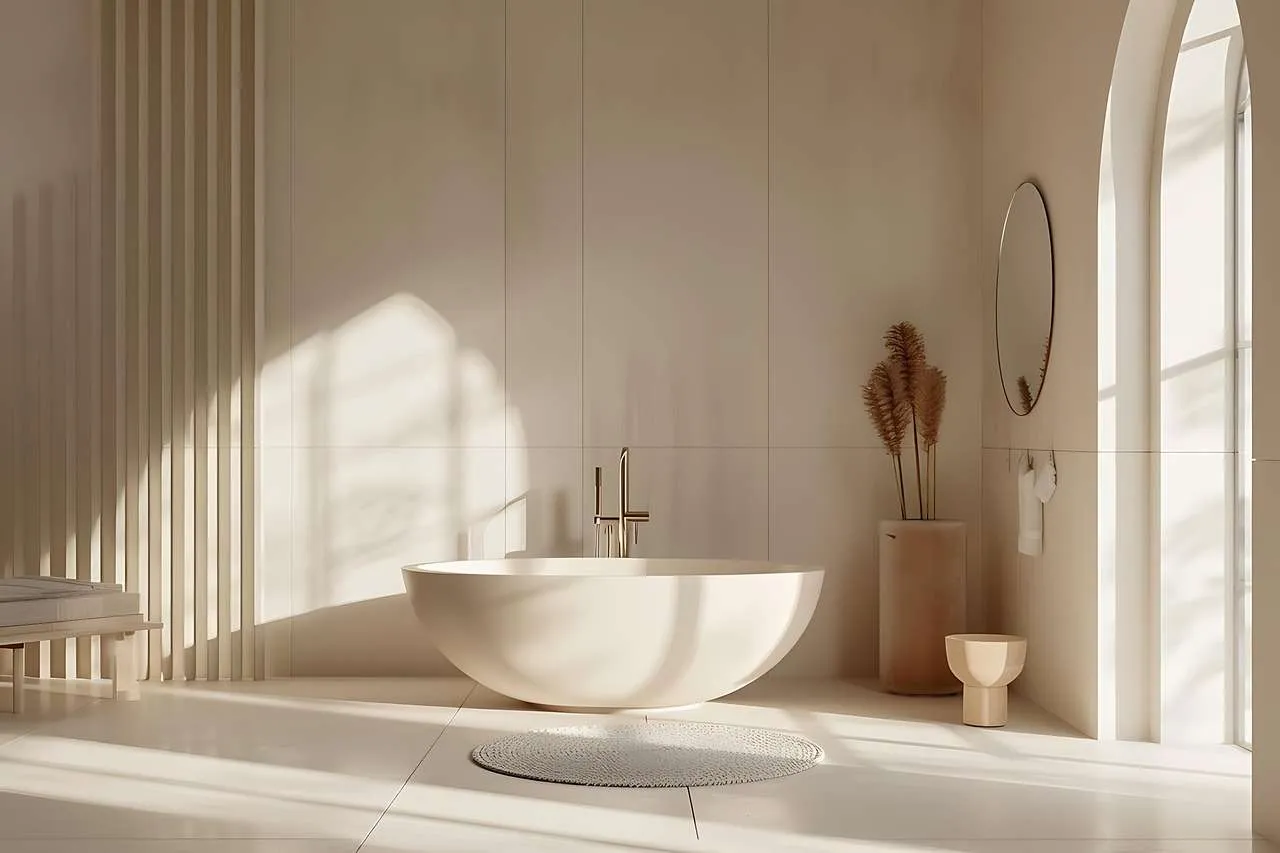
Introduction: The Power of Small Bathroom Ideas
As a seasoned interior designer with over ten years of experience, I know that small bathrooms can feel cramped or inefficient—yet they offer a prime opportunity to showcase clever, enduring design. Small bathroom ideas focus on three essentials: maximizing space, improving storage, and enhancing light and atmosphere. The goal is not just to fit in more fixtures but to create a room that feels calm, organized, and inviting while staying within a modest footprint.
Smart layout ideas for small bathrooms
Layout is the first step in transforming a compact bath. Consider these principles to open the space without sacrificing function:
- Use a corner or wall-mounted vanity to keep floor space visible and easy to clean.
- Prioritize vertical space with tall storage cabinets and wall shelving.
- Choose a shower that visually expands the room, such as a clear glass enclosure rather than a darker tile niche.
- Consider a combined wet room approach or a barrier-free shower to erase architectural barriers.
Walk-in shower with a slim vanity
A walk-in shower with a slim, wall-hung vanity creates an open feel and prevents crowding at the doorway. Favor frameless glass and light-colored tiles to enhance reflectivity. If you must add a tub, opt for a compact model with a showerhead to conserve space.
Slender fixtures and wall-mounted elements
Wall-mounted toilets and sinks reduce the visual mass in a small bath. When possible, install doors that swing out or opt for pocket doors to free up interior space for movement and storage access.
Storage and organization for compact spaces
Storage is often the make-or-break factor in small bathrooms. Use these tactics to keep surfaces clear and the space calm:
- Install recessed or floating vanity storage to hide everyday items yet remain accessible.
- Use tall, slim shelving alongside mirrors or above the toilet for vertical storage without crowding.
- Choose baskets, bins, and organizers that fit inside drawers and cabinets to reduce clutter.
- Incorporate multitasking fixtures, such as a vanity with integrated lighting and electrical outlets.
Lighting and color tricks to enlarge the feel
Light and color dramatically affect perception in a small bathroom. Apply these strategies to make a tight room feel more expansive:
- Layer lighting with ambient, task, and accent tones to eliminate dark corners.
- Opt for bright, neutral palettes—soft whites, warm beiges, and light greiges reflect more light.
- Use large mirrors or a mirrored wall to multiply light and space visually.
- Choose glossy or matte finishes with low reflectivity on storage to minimize visual heaviness.
Fixtures, finishes, and materials for compact spaces
Material selection supports both durability and perception of space. Consider these recommendations:
- Glass shower enclosures and doors keep sightlines uninterrupted.
- Rectangular, wall-mounted basins and toilets reduce bulk and simplify cleaning.
- Large-format porcelain or porcelain-look tiles reduce grout lines and create a seamless look.
- Non-slip flooring with a subtle texture provides safety without visually breaking the space.
Comparison of three practical layout options
| Layout | Pros | Cons | Best For | Approx. Cost |
|---|---|---|---|---|
| Layout A — Walk-in shower next to a slim vanity | Open feel; easy cleaning; wheelchair accessible if designed | Requires precise waterproofing; may need larger flange area | Very small baths; single-user routines | Moderate |
| Layout B — Wet room with low partition | Maximum openness; cohesive aesthetic | Higher moisture management; potential splashing | Contemporary homes; high-use bathrooms | High |
| Layout C — Tub-shower combo with wall-mounted units | Versatile; family-friendly; retains tub option | Bulkier footprint; limited storage under tub | Families; shared baths | Moderate |
Practical tips for implementation
To translate these ideas into reality, plan with a measured approach. Start with a floor plan, then draft elevations for the shower, vanity, and storage. Select materials that resist moisture, and prioritize durable hardware that can withstand daily use. If you are unsure about waterproofing or electrical safety in wet areas, consult a licensed contractor. A well-planned small bathroom not only looks better but functions more efficiently day after day.
In addition to design choices, consider how you will maintain the space. Use uniform finishes to reduce visual clutter, keep surfaces clean with easy-to-maintain materials, and designate a dedicated spot for towels and toiletries. A thoughtful, cohesive approach yields a bathroom that feels larger, calmer, and more luxurious than its footprint would suggest.
Summary In small bathrooms, prioritize vertical storage, multi-purpose fixtures, and strategic lighting to maximize space and style. This article covered layout ideas, storage strategies, lighting, and finishes, plus a quick comparison of three practical layouts to help you choose the best option for your home.